A Designer’s Guerrilla Guide
The most fundamental and valuable resource you need to realize the projects of your dreams or to receive the right training and become the person you want to be is time. The most essential resources that time requires, on the other hand, are health and money. If your health is not in order, you cannot master your time; if you do not have money, you cannot fund your basic needs.
In such a situation, you cannot take the positive steps you could for your health, nor can you dedicate time to fun sports and exercises. You cannot access the amount of protein you need or quality fruits and vegetables. Furthermore, you cannot spend quality time with your beloved friends and companions, which is vital for your psychological health; you cannot participate in new events, meet new people, or explore new places. Thus, you find yourself trapped between surviving and living, don’t you?
If we agree up to this point, how can you bring a new order to your life without starting a new job, but simply by taking small steps? Below, I list the eight most important “first aid” items that come to my mind on this subject:
1. Start Taking Notes
Taking notes comes at the very top of these steps. When you set out with all your energy to solve the day’s problems efficiently, the last thing you want is to try to remember what to do right at the beginning or to forget a great idea that crossed your mind earlier. Even if you don’t forget, this situation will cause unnecessary energy drain and mental clutter; don’t allow it.
It doesn’t matter which app or notebook you use for this; you can even start with scratch pads. I use Google Keep. As a start, you can begin by noting down simple daily tasks and crossing them out once completed.
This is one of the most beneficial habits I have built in my life. At some point, my notes became so diverse that I had to organize them into categories. I now possess a stronger, second memory in the digital world. It is a highly rewarding habit that absolutely deserves the top spot.
2. Track Your Income and Expenses
We are now at a stage where we master our own lives. The era of “what don’t we spend money on anyway?” is far behind us. We claim even the tiniest value that our resources generate for us, and we are ready to utilize it with maximum efficiency.
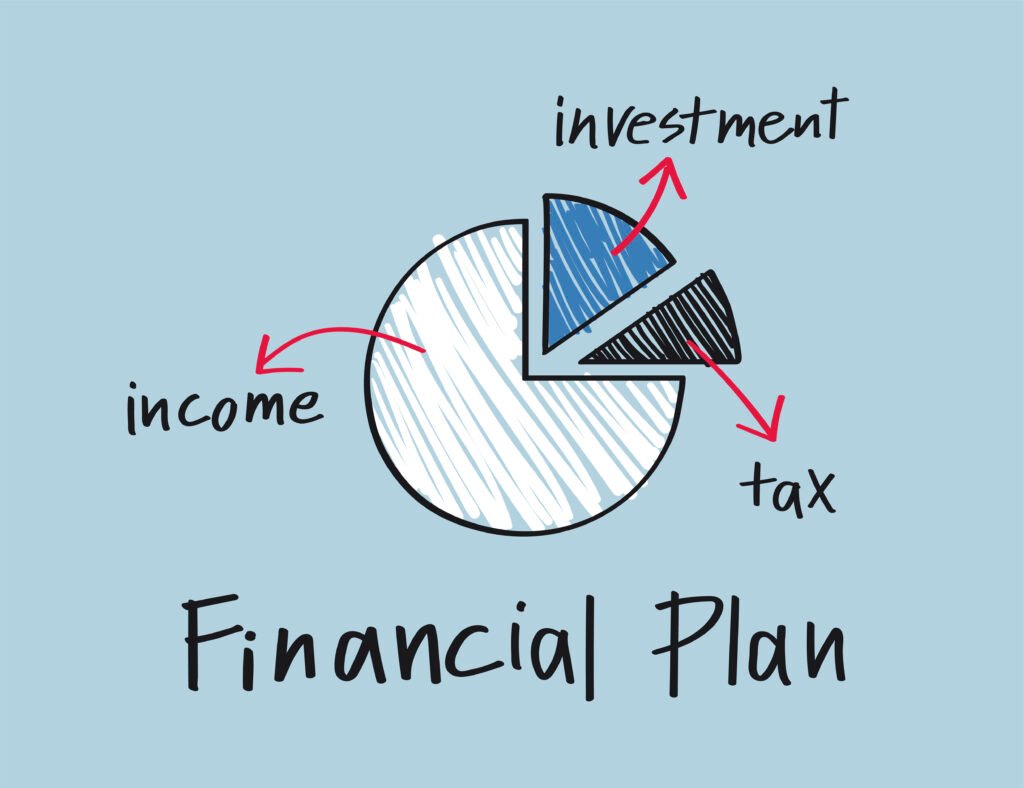
What goes into your vault monthly, what goes out, and where does it go? Record your answers to these questions and analyze the results. Once you do this, you will have no trouble identifying your spending habits and learning what you gained from a profit-driven venture. You will have complete control over your profit-loss balance.
3. Prioritize Your Needs
You want to get that product you desire so much as soon as possible, spend time with it, or simply own it. You are overflowing with dopamine, and your expectations are sky-high… In this state of mind, it can be difficult to discern what is truly a need and what is less important to you. But do not rush; I will share some advice that I frequently use to cope with this situation:
- Create a Wishlist: Open a new window for items to buy in your note-taking app and turn each line into a checkbox. This way, you can move lines individually and rank them from most to least important. When you do this, your mind will ease because the possibility of forgetting the product is eliminated. Now, you can adopt a more level-headed approach toward that item and objectively weigh its pros and cons.
- Watch Reviews: You can watch comparison videos about the product, or if you caught this shopping fever directly on an e-commerce site, you can add the item to your favorites. Especially after reviewing the negative comments, you can reach a healthier decision.
This information consists of slightly “extra” tips drawn from my personal experience. The goal here is not necessarily to avoid purchasing the item altogether; it is to prevent unnecessary clutter in your life and to get full utility from the materials you pay for. Although money tends to be undervalued in our culture, we must never forget that we trade our time and effort to earn it.
4. Save Money and Accumulate Capital
Although this concept is approached quite positively in theory within our society, I notice that it is constantly suppressed in practice by inflation narratives. This attitude turns into another driving force that fuels inflation itself, making people hesitant to hold lump-sum cash. It would be excellent to discuss the reasons behind this item by item in another article; however, to keep this section brief, I will conclude with just one suggestion for now:
First, save money and grow your capital. Even if it loses value, have no doubt that the steps you take with the security of having a lump sum of money at hand can bring you returns far above that loss in value.
5. Evaluate and Invest Your Savings
This section is highly valuable. While tons of information are shared on related platforms, most people focus primarily on the stock market. However, this area might not appeal to everyone’s behavior or field of interest. For instance, while things went well for me in the stock market, I later learned that a friend of mine experienced a loss. Through this, I concluded that the stock market cannot be a useful tool for everyone.
In my personal experience, the stock market is a wonderful arena for leveraging small savings; yet, the concept of investing does not have to be limited to this alone. You can use these savings for training programs that will grant you a high-value skill, or to obtain a certification that will pave the way for your career.
Or, as I am currently doing, you can transform it into a financial shield that grants you the “time” to realize your desired projects. In its simplest form, having savings will provide you with clarity and confidence even during a job interview, which holds undeniable value.
6. Eat Mindfully and Exercise
I pondered a bit about whether this or the next heading should take priority in the ranking; then, I simply couldn’t bear to postpone this section any further. At a stage where we adapt mindfulness and order to our lives, we could not skip nutrition. You can invest in sports activities and your nutrition at a balanced rate using your savings. This is a point that will directly impact your psychology throughout this journey.
When you cannot maintain proper and balanced nutrition, sports become exhausting for you and lose their sustainability. On the other hand, if you only regulate your diet but deprive yourself of physical exercise, you will have to lower your daily calorie intake even further and follow a harsher program due to a slowing metabolism. In short, besides its numerous beneficial side effects, the key point to be aware of is ensuring balance and sustainability.
7. Focus on Your Skills
We talked about the projects you are passionate about and want to realize. If you do not have a regular income stream supporting you in the initial stage, you should focus on opportunities that align with his skills and personality to yield the highest efficiency, and start a job that brings an active income as soon as possible. An active income is among the most fundamental resources for reaching the life you desire.
A mistake I made in the past was this: when I couldn’t build a successful career in the field I studied, I obsessively poured my remaining energy into different opportunities within that same area. Of course, success was possible, but still, the risk taken must be proportional to the available resources. When this field resulted in a complete defeat for me (and having gone to school for a hobby I passionately pursued made giving up even harder), this experience brought me the realization that that specific job was not the sole vehicle to access money.
If your priority is purely to make money, you can ignore the “do what you love” advice, at least until you reach sufficient capital; or, you might grow to love a job over time that you entered by prioritizing money. 🙂 In summary, focusing on your current or potential skills that you wish to acquire in line with market demand will help you emerge happier from this process.
8. Socialize Qualitatively
We can also include the recently popular term “active rest” in this item. With the intention of clearing your head, you might enter environments or establish relationships with people that exhaust you even further, simply out of habit. At the end of the day, far from having fun or relaxing, a sense of extra fatigue or a feeling of wasted time might weigh heavily on your chest on your way home.
Instead of such situations, coming together with people who are more talented or skilled in certain subjects than you will strengthen your psychological sense of belonging. As an example from my own life, I can point to joining foreign language clubs. Or, if you play an instrument, having a picnic in a large nearby park with your coffee, water, and sandwich can be quite delightful. Now, I have dusted off my old fishing rods; after doing their maintenance, I will wait for the summer heat to cool down a bit, and I hope to go fishing again just like the old days. 🙂
If you have read this article this far as someone interested in these topics, you must have already encountered most of these tips dozens of times before. As you know, there is no single magical formula for organizing things in life. This is entirely about gaining a mental awareness and adopting a new perspective toward the opportunities around you. And that means consistently reviewing existing knowledge and digesting it throughout the journey of life.
Thank you for reading this information, which I have sincerely shared in the A Designer’s Guerrilla Guide series. If there is any section you would like to add to or criticize, you can leave it as a comment below. Hoping to meet again in the next post, goodbye.
“Thinking is easy, acting is difficult; however, turning thought into action is order itself.” — Johann Wolfgang von Goethe
Semih Akgül