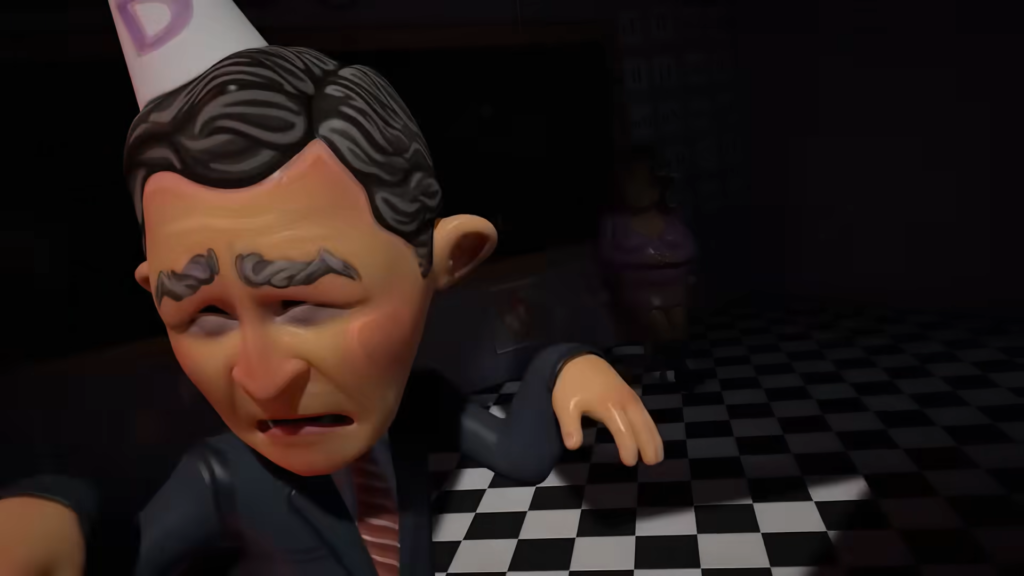
Did you have dreams in your childhood that weren’t exactly terrifying, but had a dark atmosphere, seemed extremely dystopian, yet felt deep and desolate, as if you were somehow trying to exist within them?
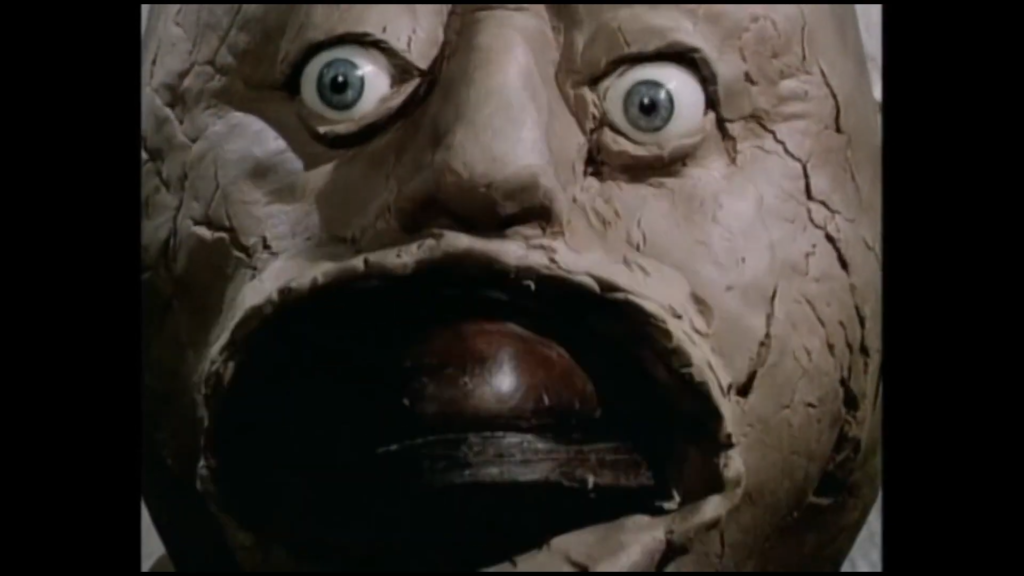
In this article, I will share with you some of the best-known works of the powerful Eastern European protest movement that inspired these dreams of yours.
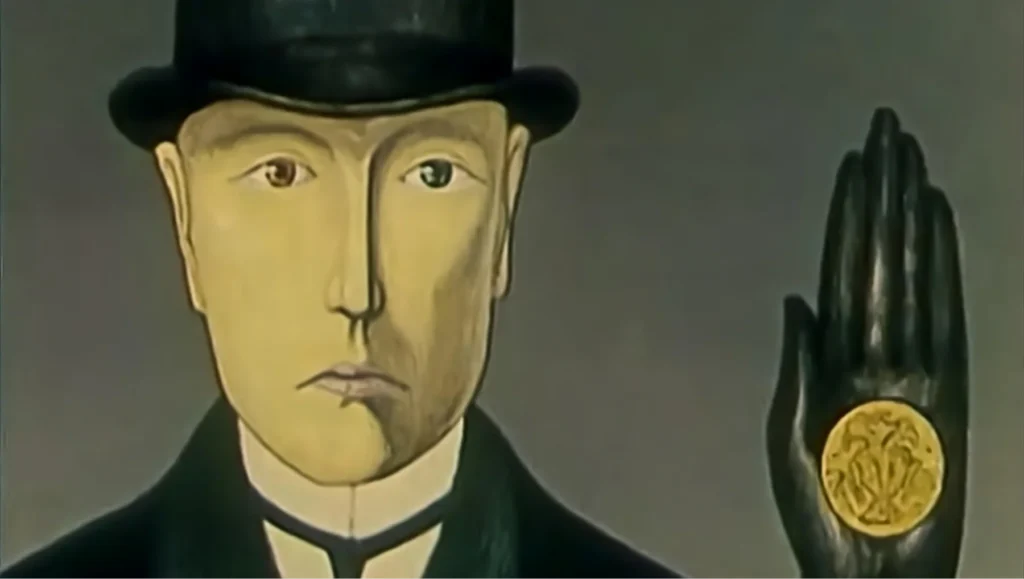
Despite its magical and intriguing settings and character designs, this cartoon concept seems to carry an incurable sense of hopelessness.
At first glance, this movement seems to hide behind images that always transport us to the joy of our childhood, but where does it actually draw its inspiration from and what does it emphasize?
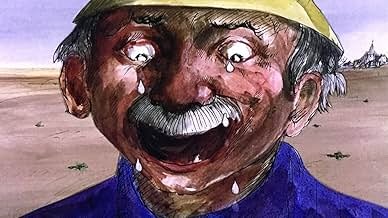
Eastern European Movement It was shaped by the Iron Curtain, Soviet censorship, geographical melancholy, limited budgets, and the obligatory creative use of found materials (old rag dolls, garbage).
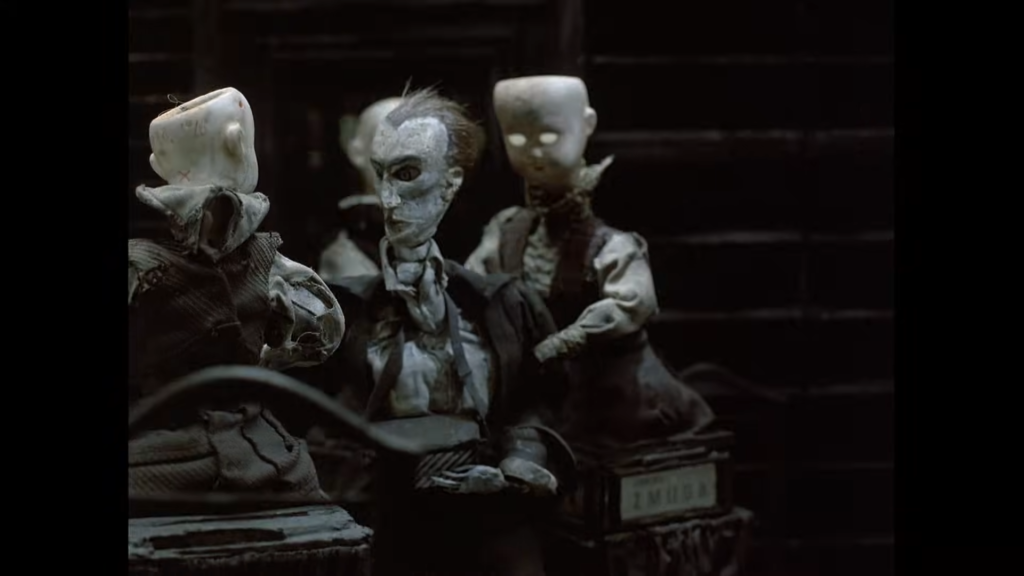
There are very strong political and historical reasons behind the rise of this style from Poland, Czech Republic and Hungary:
- Soviet Censorship and the Tool of Metaphor: During the Cold War, artists in these countries couldn’t criticize the communist regime and bureaucracy (the Kafkaesque order) in live cinema because they faced censorship. Therefore, they hid their political criticism behind fairy tales, bizarre creatures, robots, and rusty dystopias. Animation and puppet theater were a space of freedom that the censorship board considered “child’s play” and didn’t object to.
- Government Funds:The governments of Czechoslovakia, Poland, and Hungary regarded animation and illustration as prestigious art forms, allocating enormous budgets to masters like Jiří Trnka and Marcell Jankovics. This resulted in a flawless craft of “dark storytelling” that was passed down through generations in the region.
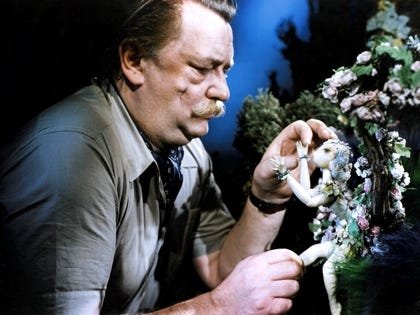
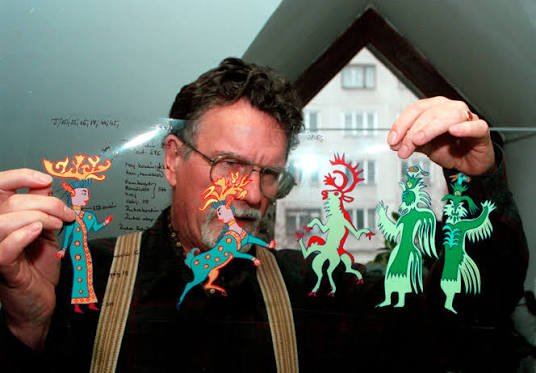
Subcategories of Style and Aesthetic Names
- Rustpunk & Organic Cyberpunk: It is a style that completely throws away the futuristic, glowing neon of cyberpunk, replacing it with a blend of rusty nails, old gears, and scrap metal merged with tree roots, fungi, moss, and insects—the organic world. Machinarium and Samorost are continuations of this.
- The Art of Tactilism and Cut-out: Instead of conveying the digital pixels behind the drawings, it’s the art of leaving the texture of an old piece of cardboard, a yellowed notebook page, or a handmade puppet on the screen.
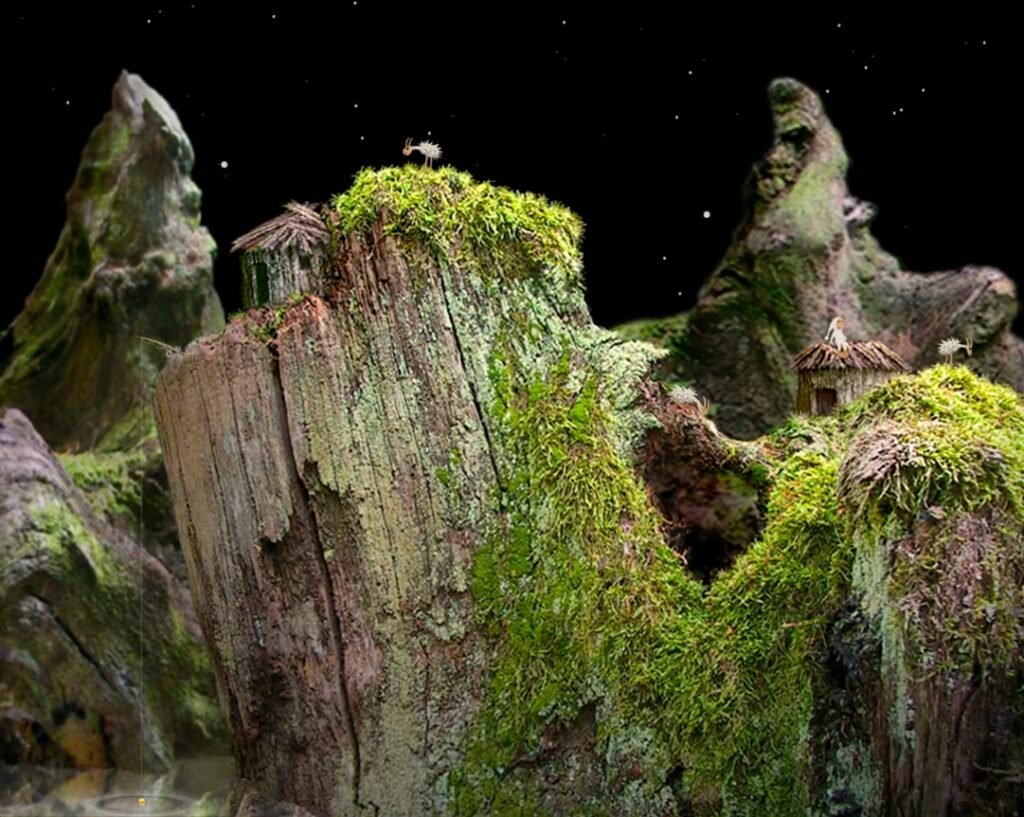
And finally, without realizing the influence of the movement, allow me to share these illustrations I drew in 2010 or 2011, along with other prominent content related to this movement:
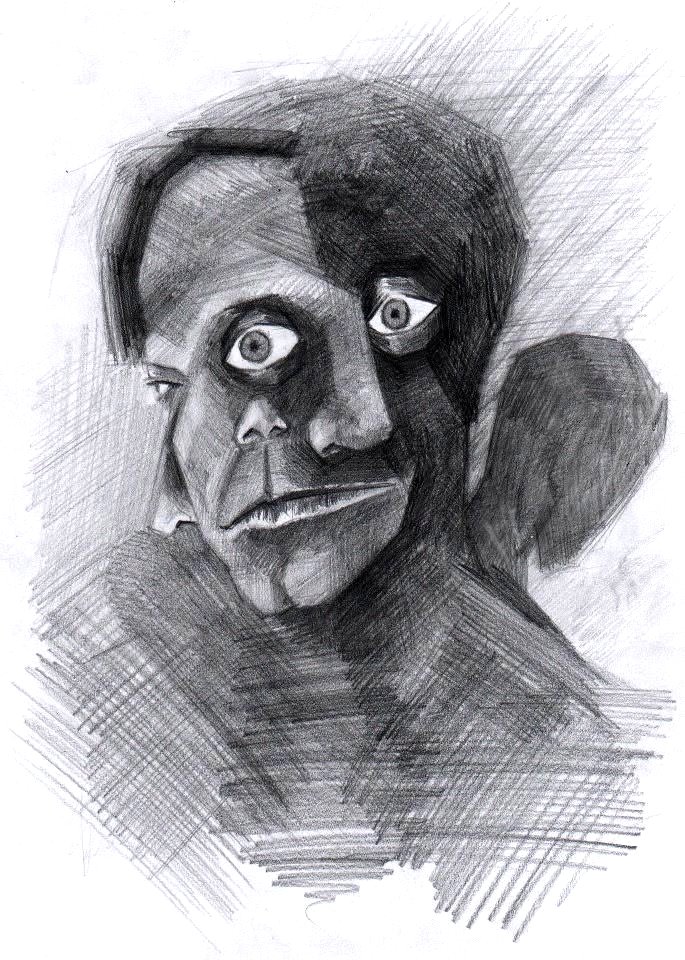
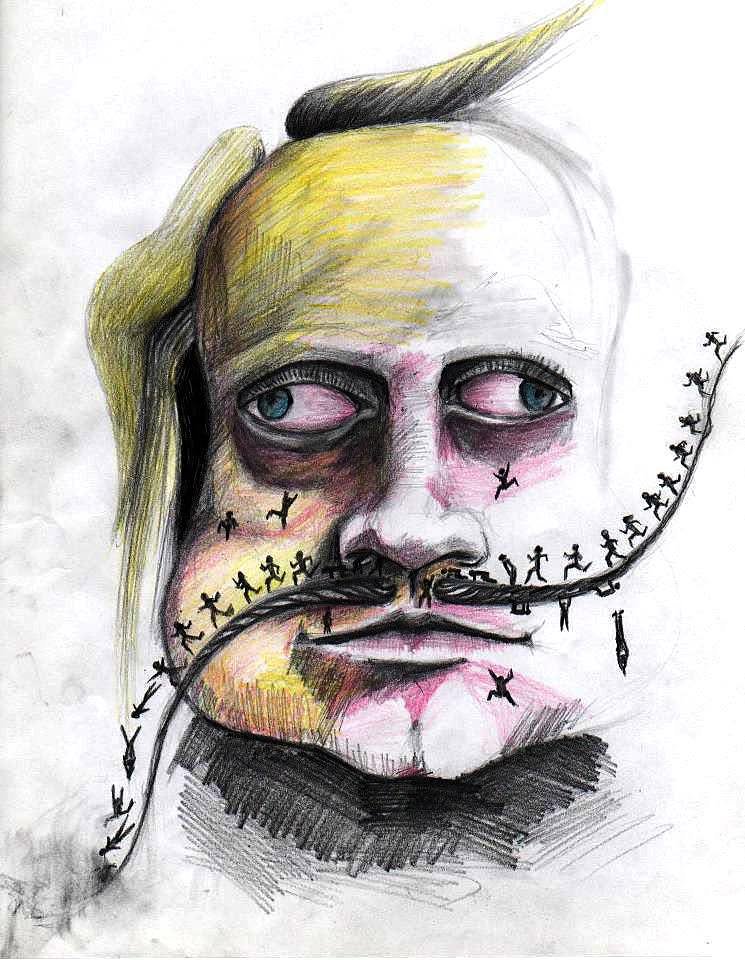
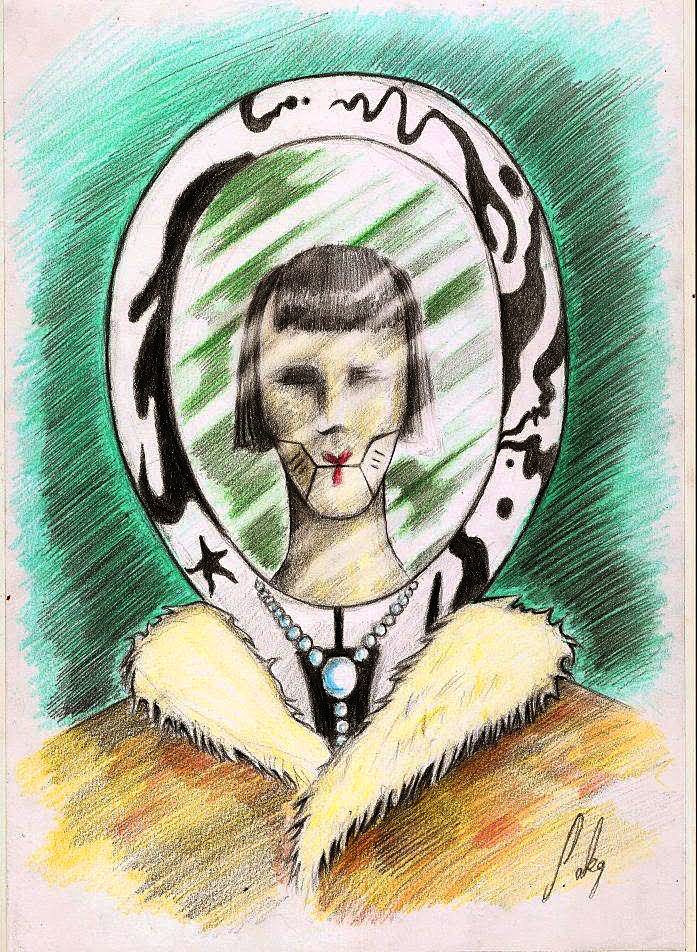
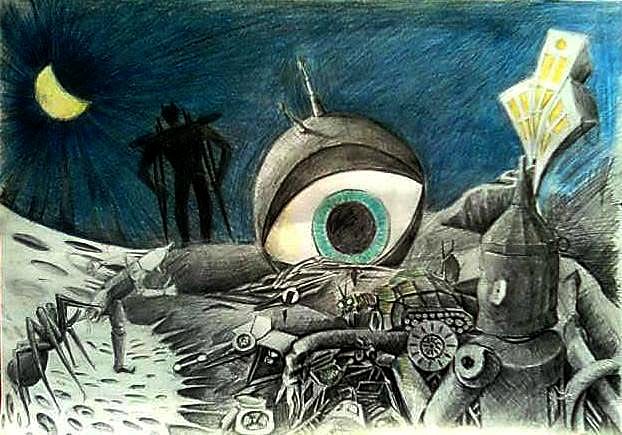
I may not have given the representatives of the movement the attention they deserved; I tried to give a presentation that wouldn’t take up as much of your time as possible, I apologize for any possible errors, and thank you for reading this far.
Semih Akgül