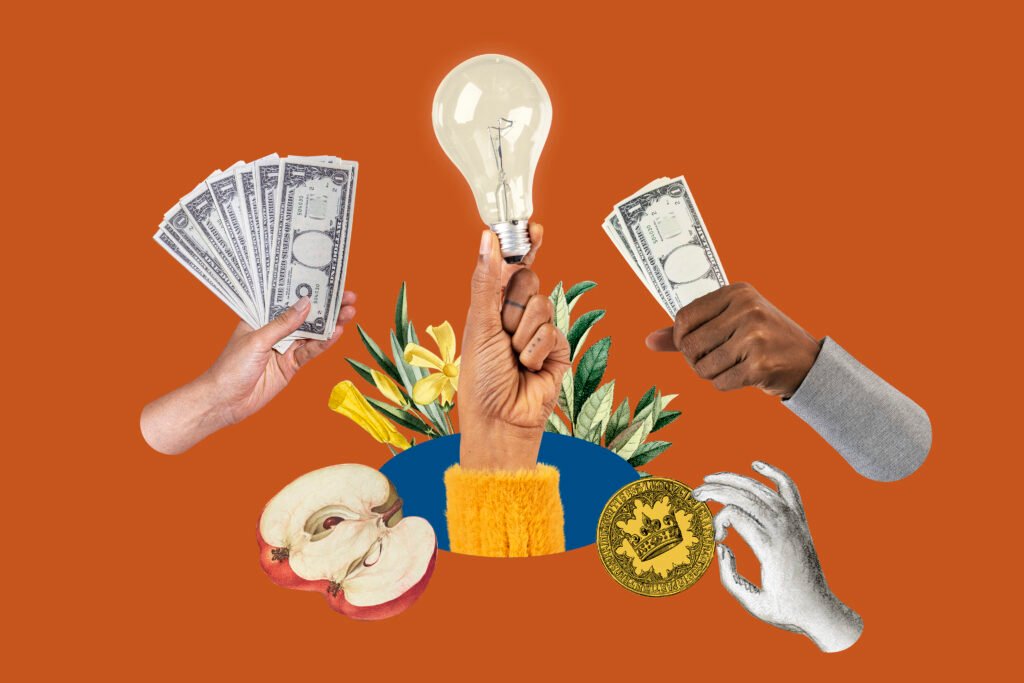
We all know how effective working together, blending different disciplines, and engaging in collective production can be in theory. Projects that combine the vision of a digital artist with the rhythm of a video editor or the timbre of a musician are always exciting. Yet, when it comes to putting this into practice, it is not always easy to see independent artists or creative professionals truly come together to create lasting, collaborative projects. In this piece, rather than offering definitive judgments, let’s examine the anatomy of our creative process and ask ourselves: what are the greatest obstacles that keep us from coming together?
Economic Concerns and the Survival Instinct
Working independently in the creative sector often means dancing with uncertainty. Collaborative projects frequently require long-term investment and may not yield immediate financial returns. The pressure to pay bills and the need for a steady income often steer artists toward guaranteed individual work, rather than risky yet visionary collective endeavors.
Failure to Establish Effective Communication
Every creator has their own unique language and way of perceiving the world. However, when a good idea is not communicated effectively or fails to engage constructively with another person’s vision, it can devolve into an ego clash. A lack of transparent discussion regarding expectations from the very outset is the primary reason why projects are quietly shelved.
The Inability to Self-Actualize and the Anxiety of Getting Lost
Creative minds seek to leave their own signature on their work. In a collaborative project, an artist may worry: “Will my voice be heard amidst this crowd?” or “To whom will this work ultimately belong?” The fear of failing to fully express one’s own potential triggers an instinct to defend one’s boundaries, erecting an invisible wall that hinders collaboration.
The Problem of Low Discipline and Inability to Focus
Creative processes are often chaotic, and maintaining internal discipline in the absence of an external authority can be difficult. When two creative minds come together, everything is wonderful during the ideation phase; however, when it comes time to “sit down and work” and finalize drafts, focus can quickly dissipate. Ideas fly about, but the finish line is rarely reached.
Introversion and the Need for Solitude
Creation is often an isolated act. The studio, those quiet moments spent with headphones on, or hours spent fine-tuning work in front of a screen these serve as a safe space for many artists. Sharing this safe space with someone else can be an incredibly exhausting and draining experience for many creatives with an introverted nature.
Different Daily Habits and Work Schedule
While some find motivation in the sunlight of the early morning, others produce their best work in the silence of midnight. Since creative processes do not adhere to standard working hours, this creates a significant misalignment in rhythm, posing challenges for collaborative meetings, feedback loops, and synchronous work.
Uneven Workload Distribution
When roles in collective projects are not clearly defined from the outset, a large portion of the work often falls on the shoulders of the person who is more organized, or perhaps more obsessive. An unfair distribution of tasks eventually leads to a loss of motivation and growing resentment, ultimately resulting in the end of the project and, at times, even the end of friendships.
Research in the fields of behavioral science and organizational psychology confirms this. It is frequently emphasized that successful creative collaborations depend not merely on a “fit of talent,” but also on “psychological safety” and structural clarity. While uniting around a common goal is exciting, it is equally essential to establish from the outset, the communication guidelines and boundaries that will nurture that goal. Otherwise, brilliant ideas are destined to remain only at the table where they were discussed.
Which of these points has been the most frequent obstacle you’ve encountered in your past collaborative project attempts? If you have any additional ideas, please feel free to share them below. Also, if you’d like me to focus my next post on potential solutions for these challenges, you can indicate that this article was helpful by participating in the poll below.